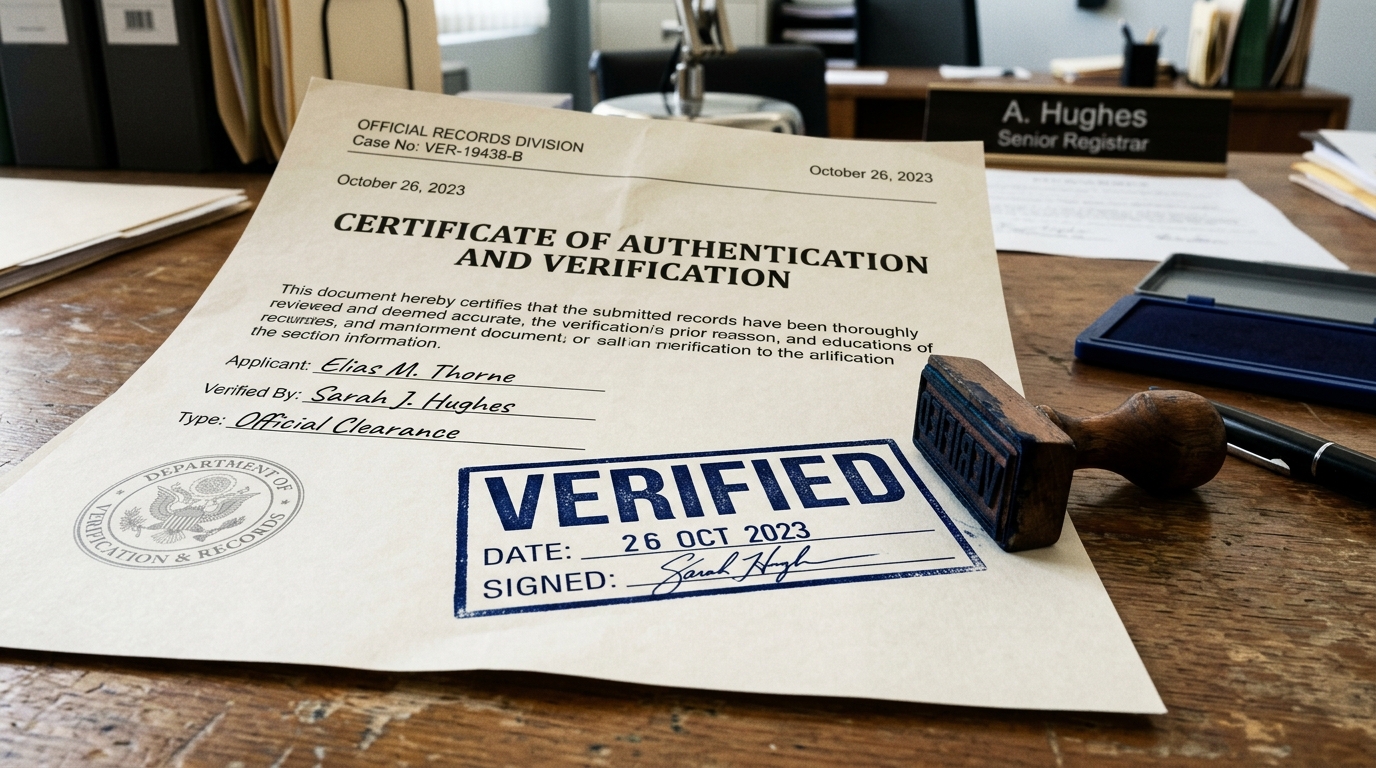
In a world where seeing is no longer believing, verification becomes your strongest defence.
A CEO joins a video call. The voice is familiar. The face looks real. The request is urgent - “We need to move funds immediately to secure this deal.”
Minutes later, the transfer is complete. Only afterwards does the organisation realise the CEO was never on the call.
Welcome to the era of deepfake financial fraud where artificial intelligence is being used to convincingly impersonate executives, manipulate employees, and bypass traditional security controls.
For CEOs and business leaders, this is no longer a future risk. It is happening now and it is forcing organisations to rethink how they verify identity and authorise financial transactions. I have seen this up close and personal with my CEO impersonated within internal communications between ExCo members.
What Is Deepfake Financial Fraud?
Deepfake fraud involves the use of AI-generated audio or video to impersonate real individuals. Using publicly available data such as interviews, earnings calls, social media videos, and voice recordings attackers can create highly realistic replicas of executives.
These deepfakes are then used in video calls, voice messages, phone calls and real-time conversations. Combined with social engineering tactics, they can be used to convince employees to take high-risk actions, such as transferring funds or disclosing sensitive information.
Why This Threat Is Growing Rapidly
Deepfake technology has advanced significantly in recent years. What once required specialist expertise can now be created using widely available tools. Several factors are accelerating this threat.
1. Abundance of Public Executive Content
Executives frequently appear in webinars and conference recordings, media interviews, LinkedIn and social media videos and corporate announcements.
This provides attackers with rich material to train AI models.
2. Increased Remote Communication
With more business conducted over video calls and messaging platforms, employees are accustomed to receiving instructions digitally.
This reduces the likelihood of questioning unusual requests.
3. Pressure and Urgency
Deepfake attacks often simulate high-pressure situations with confidential acquisitions, urgent financial transfers and crisis response scenarios.
These conditions are designed to bypass rational verification.
Real-World Example: Deepfake CEO Fraud
In 2020, a bank manager in the UAE was tricked into transferring $35 million after receiving instructions from what appeared to be a company director’s voice. The attackers used AI-generated voice cloning to impersonate the executive convincingly enough to pass internal checks.
More recently, in 2024, a Hong Kong-based finance employee was deceived during a video conference where multiple participants — all deepfake recreations — appeared to be senior colleagues. The employee transferred over $25 million before the fraud was uncovered.
These incidents highlight a critical shift. Attackers are no longer just sending fake emails — they are becoming the people you trust.
Why Traditional Controls Are Failing
Many organisations rely on controls such as Email verification, caller ID recognition, known contacts and familiar voices. Deepfake technology undermines all of these.
When attackers can replicate a CEO’s face, a CFO’s voice and a colleague’s mannerisms the line between legitimate and fraudulent communication becomes blurred.
This is particularly dangerous in organisations where financial approvals are centralised with hierarchical authority is strong and speed is prioritised over verification.
The Critical Weakness: Lack of Verification Protocols
Most organisations have policies for approving payments. But far fewer have robust identity verification protocols for confirming who is making the request. This is the gap deepfake attacks exploit. Without structured verification, employees rely on instinct and instinct can be manipulated.
What Are Verification Protocols?
Verification protocols are predefined processes that confirm the authenticity of a request before action is taken. They are designed to remove ambiguity and reduce reliance on trust alone. In the context of financial transactions, this means verifying identity through multiple independent channels with secondary approvals and introducing deliberate friction into high-risk actions.
In short, they ensure that no single communication, no matter how convincing, is enough to trigger a financial decision.
Key Verification Protocols Every Business Should Implement
1. Multi-Channel Verification
Any request involving financial transfers or sensitive data should be verified through a second, independent channel. A video call request must be confirmed via a known phone number.
Never rely on the same channel where the request originated.
2. Pre-Approved Payment Processes
Define strict processes for financial transactions, including approved payment workflows for verified beneficiary accounts and mandatory waiting periods for new payment details. This prevents attackers from introducing urgency into the process.
3. Known Contact Lists
Maintain verified contact details for all senior executives and key stakeholders. Employees should only use these trusted channels for verification, not contact details provided within a request.
4. Dual Authorisation
Require at least two independent approvals for high-value transactions. This reduces the risk of a single individual being manipulated.
5. “No Exceptions” Culture
Executives must support a culture where verification protocols are always followed even in urgent situations. If employees feel pressured to bypass controls, the system will fail.
The Role of External Exposure in Deepfake Attacks
Deepfake fraud doesn’t start with the attack itself. It starts with data collection. Attackers gather information from areas such as executive social media profiles and public videos and interviews.
This information is used to build highly convincing impersonations. The more exposure an executive has online, the easier it becomes to create a realistic deepfake.
Why CEOs Should Care
Deepfake fraud is not just a technical issue, it is a leadership risk. It directly impacts financial security and operational integrity, ultimately brand reputation. And because these attacks exploit human behaviour rather than technical vulnerabilities, they can bypass even well-funded security programmes.
For CEOs, the challenge is not just protecting systems, it is protecting identity and decision-making processes.
How CyberSentrx Helps Reduce Deepfake Risk
Preventing deepfake fraud requires more than internal controls. It requires understanding how your organisation is exposed externally. CyberSentrx provides visibility into the signals attackers use to plan these attacks.
The platform monitors:
Executive Digital Exposure
Identifying publicly available content that could be used to impersonate leadership.
Social Engineering Risk Signals
Highlighting how attackers might craft convincing narratives based on available data.
Dark Web Intelligence
Detecting leaked credentials or information that could support targeted attacks.
External Attack Surface
Providing insight into how your organisation appears from an attacker’s perspective. By reducing unnecessary exposure and identifying risks early, organisations can make it significantly harder for attackers to execute deepfake scams.
Learn more at:
Final Thought
In a world where seeing is no longer believing, verification becomes your strongest defence. Deepfake fraud exploits trust. Verification protocols restore control. If your organisation relies on recognising a voice or a face to approve financial decisions, it is already at risk.
To understand how exposed your organisation is to social engineering and identity-based threats, visit:
Because in the age of AI, trust must be earned — and always verified.
Related Articles
For more information on the importance of dark web monitoring read our article on "How 2025 dark web leaks could still be a risk to your business"