The core takeaway from recent cloud breaches is clear - You cannot protect assets you don't know are exposed.
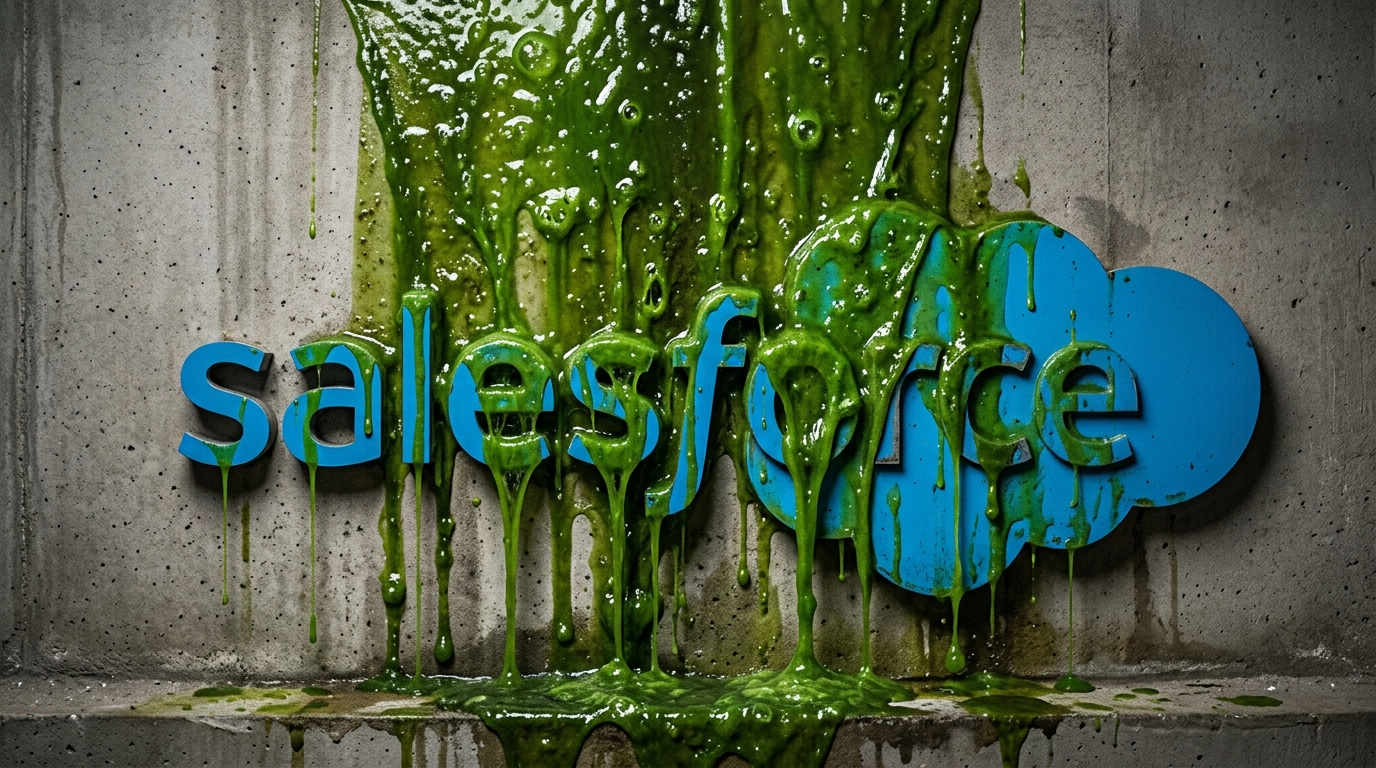
For years, the standard narrative around corporate data breaches focused on complex malware, zero-day vulnerabilities, or direct network intrusions. However, recent cyber incidents targeting major cloud environments—specifically public-facing CRM instances like Salesforce Experience Cloud tell a very different story. If you rely on this technology for your portal this is worth 2 minutes of your time to read.
Notorious threat groups like ShinyHunters have shifted tactics. Rather than spending months trying to crack underlying software platforms, they are running automated, large-scale scans across external web portals to find misconfigurations, permissive guest access, and exposed endpoints. The result? Tens of millions of customer records, PII, and internal communication logs exfiltrated without a single password being cracked.
If your business relies on web-facing customer portals, CRM integrations, or external APIs, your perimeter may be far more exposed than you realise.
How External Portals Become the Primary Attack Vector
CRMs like Salesforce, HubSpot, and custom web portals hold an organization's most sensitive data. Customer contact lists, financial records, transaction histories, and proprietary deal pipelines. Because these platforms are designed to connect seamlessly with partners, clients, and remote employees, they inherently face outward to the internet.
Threat actors exploit three main vulnerabilities in these environments:
Permissive "Guest User" Permissions: Many public-facing portals are configured to allow unauthenticated guest visitors to view public pages or submit forms. If these guest profiles retain access to internal database objects or APIs, attackers can query the CRM directly and extract massive datasets.
Automated Endpoint Scanning: Hackers use modified reconnaissance tools (such as tailored API scanners) to systematically inspect thousands of company domains at once. They aren't picking companies at random; they are scanning the entire web to find whichever organizations have left a door unlocked.
The "Detection Gap": When a breach occurs through a misconfigured portal or exposed credential, traditional internal antivirus and endpoint detection software rarely triggers. To the system, the queries look like routine traffic. In recent real-world cases, unauthorized access went completely undetected for weeks.
Internal Security Isn't Enough: You Need Continuous External Visibility
The core takeaway from recent cloud breaches is clear: you cannot protect assets you don't know are exposed.
Most IT teams perform internal audits or annual penetration tests. However, web infrastructure changes daily. A single software update, new API deployment, or contractor error can instantly reopen an external exposure. Between scheduled audits, that exposure sits on the public internet, waiting to be indexed by threat actors.
To mitigate this risk, security postures must shift from reactive patching to continuous external surface management. Audit Guest & API Permissions, monitor API Endpoints & Portals and scan for Misconfigurations & Code Flaws.
How CyberSentrx Stops Portal & Perimeter Exposure
At CyberSentrx, we built our platform on a simple premise: defend your digital front door before anyone can walk through it.
While internal security tools monitor what happens inside your network, CyberSentrx looks at your organization from the outside—exactly how a threat actor sees you.
Regular Web & Portal Vulnerability Scanning: CyberSentrx automatically scans your web applications, cloud portals, and external assets against more than 6,300 known vulnerabilities and misconfiguration patterns.
Attack Surface & Domain Mapping: We track all your public-facing assets, ensuring no forgotten staging server or mis-configured CRM portal remains invisible to your security team.
Dark Web & Identity Monitoring: If your corporate credentials, API keys, or employee log-ins are leaked on dark web marketplaces, our platform alerts you instantly—allowing you to revoke access before a credential-stuffing attack occurs.
Don't Wait for an Attack
Securing your CRM and cloud portals doesn't require rebuilding your technology stack—it requires real-time visibility into what you are exposing to the world.
Is your external web perimeter fully secure?
Run a continuous external scan with CyberSentrx today to identify exposed portals, web vulnerabilities, and leaked domain credentials before attackers do. Plans start from just £99/month.