
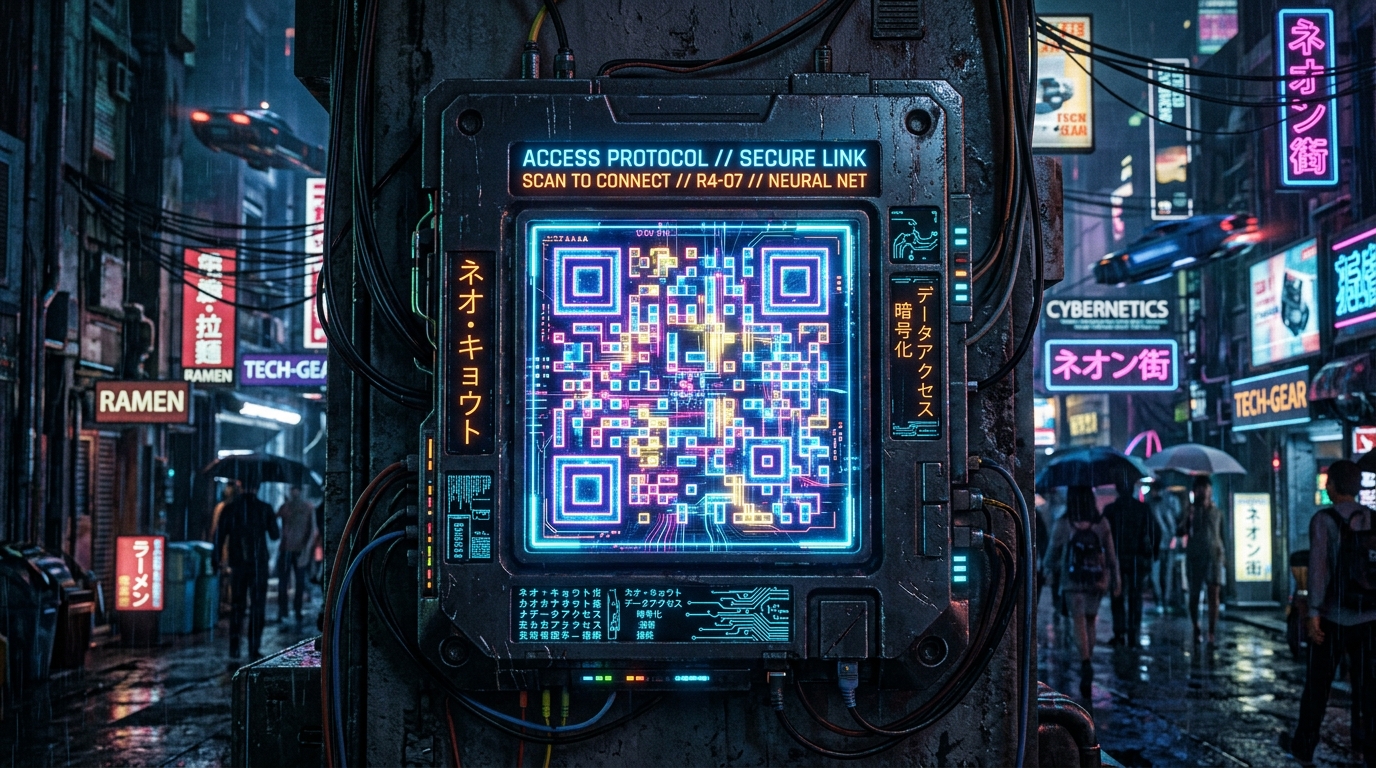
Safe Scanning: Protecting Your Business from Malicious QR Codes
QR codes have quietly become part of everyday business life. From restaurant menus and parking meters to marketing campaigns and conference materials, they provide a quick and convenient way to connect the physical world to the digital one. But as with most technologies that gain widespread adoption, cybercriminals have found a way to exploit them.
A growing threat known as “quishing”. QR code phishing is rapidly emerging as a new attack vector targeting businesses, employees, and increasingly, executives. Unlike traditional phishing emails that contain suspicious links, quishing attacks hide malicious links inside QR codes, making them far harder for both users and security systems to detect.
For CEOs and business leaders responsible for protecting their organisations, understanding this evolving threat is essential. What looks like a harmless square on a poster, email, or invoice could be the first step in a serious cyber breach.
What Is Quishing?
Quishing is a form of phishing where attackers use QR codes to redirect victims to malicious websites. When someone scans a QR code using their smartphone, the device automatically opens the embedded link. The problem is that users cannot see the URL before scanning, which removes one of the key warning signs people rely on to detect phishing attacks. Because the attack is triggered on a mobile device, traditional corporate security controls often never see the interaction.
Why QR Codes Are an Attractive Target for Cybercriminals
QR codes were originally designed for convenience, not security. Their simplicity is exactly what attackers exploit.
Several factors have contributed to the rapid rise of quishing attacks.
1. Users Trust QR Codes
Most people assume QR codes are safe. They are commonly used by legitimate businesses for marketing campaigns, event registrations, and product information.
This trust makes users less cautious when scanning them.
2. Security Tools Struggle to Detect Them
Email filtering systems and web security tools typically analyse URLs directly. But when links are embedded inside QR codes, they may bypass traditional detection methods.
A QR code inside a PDF attachment or image can conceal a malicious link that filters fail to inspect.
3. Mobile Devices Bypass Corporate Defences
Many executives scan QR codes using personal smartphones rather than corporate laptops. This means security controls such as firewalls, endpoint protection, and web filtering may never see the malicious interaction.
Real-World Quishing Attacks
While still emerging, several documented incidents highlight the growing threat of QR-code based phishing.
Parking Meter Scam Campaigns (2023–2024)
In multiple cities across the United States, including Austin, San Antonio, and Denver, attackers placed fraudulent QR code stickers on parking meters. Drivers scanning the codes were redirected to fake payment websites designed to collect credit card information. Although these attacks targeted individuals, the same tactic could easily be used to target employees or executives in corporate environments.
Microsoft Security Warning Campaign (2023)
Security researchers observed large-scale quishing campaigns where attackers sent emails containing QR codes that linked to fake Microsoft 365 login pages. Victims scanning the code were prompted to enter their corporate credentials, which attackers then used to access email accounts. Because the link was hidden inside a QR code image, traditional email filters were less likely to flag the message.
Why Executives Are Particularly Vulnerable
Executives face unique risks when it comes to quishing attacks. Executives frequently attend conferences, networking events, and meetings where QR codes are widely used. This creates opportunities for attackers to distribute malicious codes in environments where trust is high.
If attackers capture the login credentials of a CEO, CFO, or senior executive, they may gain access to confidential board materials. This makes executive accounts extremely valuable targets. Executives often move quickly between meetings and communications. A quick QR scan may seem like a harmless shortcut but it can open the door to credential theft or malware.
How Quishing Attacks Work
A typical quishing attack follows a straightforward pattern:
Attackers create a malicious webpage that mimics a trusted login portal or payment site.
A QR code is generated that links to the fraudulent page.
The QR code is distributed through emails, posters, or digital documents.
The victim scans the code using a mobile device.
The malicious page captures credentials or financial information.
In many cases, the victim never realises anything suspicious has happened until attackers begin using the stolen credentials.
How CyberSentrx Helps Identify Emerging Threats
Cybercriminals rarely attack without preparation. They gather intelligence from public websites, leaked credentials, and dark web forums before launching targeted campaigns.
CyberSentrx helps organisations understand and manage these risks by monitoring their external digital identity.
The CyberSentrx platform continuously analyses:
Public web vulnerabilities
Executive digital exposure
Social engineering risks
Dark web mentions and leaked credentials
By identifying exposure points early, organisations can reduce the likelihood that attackers will successfully exploit them through tactics like phishing, whaling, or quishing.
Rather than waiting for a breach to occur, businesses gain proactive visibility into threats forming outside their network.
To learn more, visit:
https://cybersentrx.com/
The Bigger Picture
Quishing is just one example of how cyber threats continue to evolve. As organisations improve their technical defences, attackers increasingly focus on exploiting human behaviour and everyday tools.
QR codes were designed to make life easier. But in the hands of cybercriminals, they have become another way to bypass traditional security controls.
For CEOs and business leaders, the lesson is clear: cybersecurity is no longer just about protecting systems — it’s about understanding how attackers exploit people, trust, and convenience.
Final Thought
The next time you see a QR code in an email, on a poster, or in a document, pause before scanning it.
That simple square could be a shortcut to useful information — or it could be a doorway into your organisation’s most sensitive systems.
In a world where attackers are constantly innovating, the best defence is visibility and awareness.
To understand how exposed your organisation is to external cyber threats, visit:
https://cybersentrx.com/
Because sometimes the smallest square can hide the biggest risk.
Related Articles
For further insight into the importance of protecting your business from cyber attacks read our article on "Why you need to manage your digital footprint - executive protection from social engineering attacks".