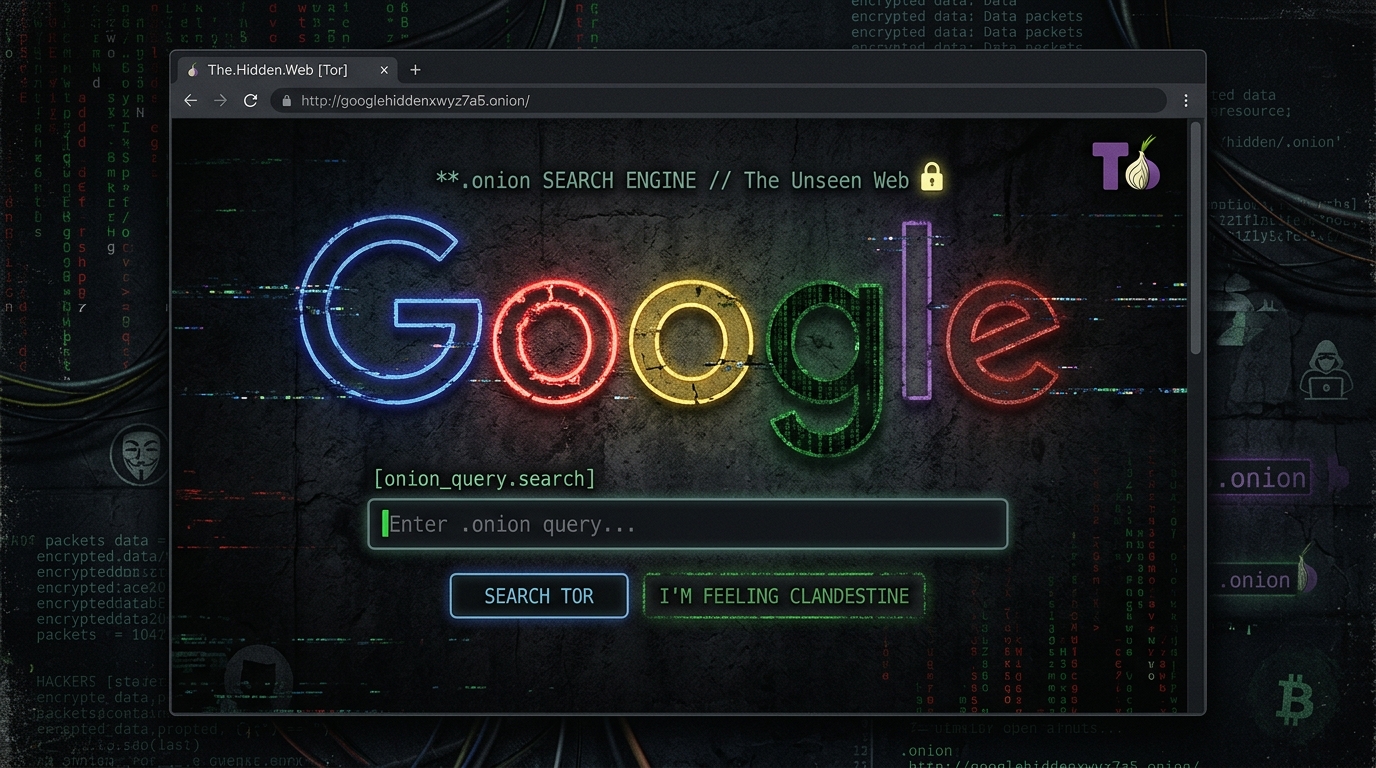
The dark web is where cybercriminals collaborate, trade data, and plan attacks. Ignoring it does not make the threat disappear — it simply removes your visibility into it.
Having worked in financial services for over 25 years I have seen the evolution of cyber security in this time. In the early years the risks while very real were far more obvious and relatively simple to manage. Build your walls strong and high. Manage them carefully and don't let anyone inside the walled garden. The world is a different place now. The dark web masks risks for businesses under a hard to penetrate layer. It is not something to ignore assuming it doesn't affect you.
For several years, many individuals and organisations relied on Google’s built-in Dark Web Monitoring capability to alert them when their credentials appeared in known breach databases. The feature, which was integrated into Google One, scanned underground forums and data leak repositories to detect whether personal email addresses or passwords had been exposed online.
Recently, Google announced the removal of this monitoring service, transitioning some limited alerts into broader account security features but effectively discontinuing the standalone dark web monitoring capability that many users relied upon.
While the change may not immediately appear significant, it highlights a much larger issue for businesses and executives: who is monitoring the dark web for threats to your organisation now?
For CEOs and business leaders, the removal of widely accessible monitoring tools creates a visibility gap at exactly the time when dark web intelligence has become more important than ever.
Why Dark Web Monitoring Matters
The dark web functions as an underground marketplace where cyber criminals trade stolen data, compromised credentials, hacking tools, and access to corporate networks.
When attackers successfully breach a system, they often use the information by selling it in criminal forums. Items commonly traded include your employee usernames and passwords, corporate email credentials, customer databases, financial records and access to company systems.
These assets are often sold long before organisations realise they have been compromised.
Dark web monitoring works by scanning these underground sources and alerting organisations when data linked to their business appears. This early warning can be critical for preventing a small incident from escalating into a major breach. It won't get the data back but knowledge is power in this instance and allows you to manage the situation.
What Google’s Monitoring Service Actually Did
Google’s dark web monitoring tool primarily focused on identifying whether email addresses and associated credentials had appeared in known data breaches. If the system detected compromised credentials tied to a Google account, users received an alert advising them to change their password and secure their accounts.
For individuals, this was a useful security layer. However, the feature had limitations when it came to enterprise protection monitoring individuals and not domains so wider brand issues were not included. It also offered no guidance on what to do with the breach insights. Despite these limitations, the service still offered valuable early visibility for many organisations.
With its removal, that baseline monitoring capability disappears for many users.
The Visibility Gap Businesses Now Face
The discontinuation of this service highlights a critical security reality. Most organisations are not actively monitoring the dark web for threats related to their business. In many cases, organisations only discover the problem after attackers begin exploiting the stolen information.
For CEOs responsible for managing business risk, this represents a significant blind spot.
The Real Cost of Dark Web Exposure
When stolen data surfaces on the dark web, the consequences can extend far beyond the initial breach. Cybercriminals frequently use leaked credentials to launch additional attacks such as:
Business Email Compromise (BEC)
Attackers gain access to executive email accounts and send fraudulent payment requests or impersonate leadership to manipulate financial transactions.
Ransomware Attacks
Stolen credentials can provide attackers with a foothold into corporate networks, enabling them to deploy ransomware across systems.
Identity Theft and Fraud
Customer or employee data can be used for identity fraud, creating regulatory and reputational consequences.
Intellectual Property Theft
Sensitive research, strategic plans, or financial data may be sold to competitors or criminal groups.
According to multiple industry studies, the average cost of a data breach can reach several million dollars when legal, operational, and reputational impacts are considered. Early detection of compromised data is often the difference between a manageable incident and a major crisis.
Why Dark Web Monitoring Is Becoming Essential
Cyber crime has evolved into a highly organised ecosystem. Professional cyber criminal groups operate marketplaces, customer support systems, and affiliate programmes similar to legitimate businesses. In this environment, stolen data moves quickly. A compromised credential may be sold multiple times, used in automated attacks, or combined with other leaked data to build detailed profiles of targeted organisations.
Without monitoring these underground channels, companies are effectively operating without intelligence on what attackers already know about them.
For modern organisations, this intelligence is becoming as important as traditional security controls.
The Role of External Threat Intelligence
Dark web monitoring is part of a broader discipline known as external threat intelligence — the practice of identifying risks to your organisation that exist outside your internal systems. This includes monitoring:
Dark web forums and marketplaces
Newly registered domains that mimic your brand
Public web vulnerabilities
Social engineering exposure of executives
Credential leaks and breach databases
Together, these signals help organisations understand how attackers view their digital presence. This external perspective is essential because many cyberattacks begin long before any technical intrusion occurs. Attackers gather intelligence, identify weak points, and plan their approach based on publicly available information.
How CyberSentrx Helps Fill the Monitoring Gap
With the removal of widely accessible dark web monitoring tools, organisations need to consider more comprehensive solutions designed specifically for business risk. CyberSentrx provides an external identity threat detection platform that helps organisations monitor and protect their digital footprint.
The platform continuously analyses multiple sources of risk, including:
Dark Web Intelligence
CyberSentrx monitors underground forums, breach data repositories, and criminal marketplaces to detect when credentials, data, or references to your organisation appear.
Public Web Vulnerabilities
Attackers often scan the internet looking for exposed systems. CyberSentrx identifies publicly visible vulnerabilities that could be exploited.
Executive Digital Exposure
Leadership teams are frequent targets for social engineering. The platform evaluates how publicly available information could be used to impersonate or manipulate executives.
AI-Driven Remediation Guidance
Rather than simply issuing alerts, CyberSentrx provides prioritised recommendations to help organisations reduce risk quickly and effectively.
By combining these capabilities, organisations gain a clearer view of how their external digital presence appears to attackers — and how to strengthen it. You can learn more about the platform at:
Turning Intelligence Into Action
One of the key benefits of dark web monitoring is the ability to respond quickly when potential threats are detected.
When an alert identifies compromised credentials or exposed data, organisations can take immediate steps. Early response significantly reduces the likelihood that attackers can successfully exploit the information. Without monitoring, these actions often occur too late.
The Future of Dark Web Security
The removal of Google’s monitoring service reflects a broader trend: cybersecurity responsibility increasingly falls on organisations themselves rather than consumer platforms. As cyber threats continue to evolve, businesses must adopt dedicated security tools designed for organisational protection, not just individual account security. For CEOs and business leaders, this means ensuring their organisation has visibility into both internal vulnerabilities and external threats.
Dark web intelligence is a critical part of that picture.
Final Thought
The dark web is where cybercriminals collaborate, trade data, and plan attacks. Ignoring it does not make the threat disappear — it simply removes your visibility into it. With widely available monitoring tools disappearing, organisations must take a more proactive approach to protecting their digital identity. Understanding what attackers already know about your business can make the difference between stopping a breach early and discovering it after the damage is done.
To see how your organisation can regain visibility into external threats and dark web activity, visit:
Because in cyber security, what you can’t see can hurt you the most.
Related Articles
For more information on the importance of dark web monitoring read our article on "what dark web monitoring actually does for businesses and why you need it"