If your business uses a custom-built web app, you are at risk
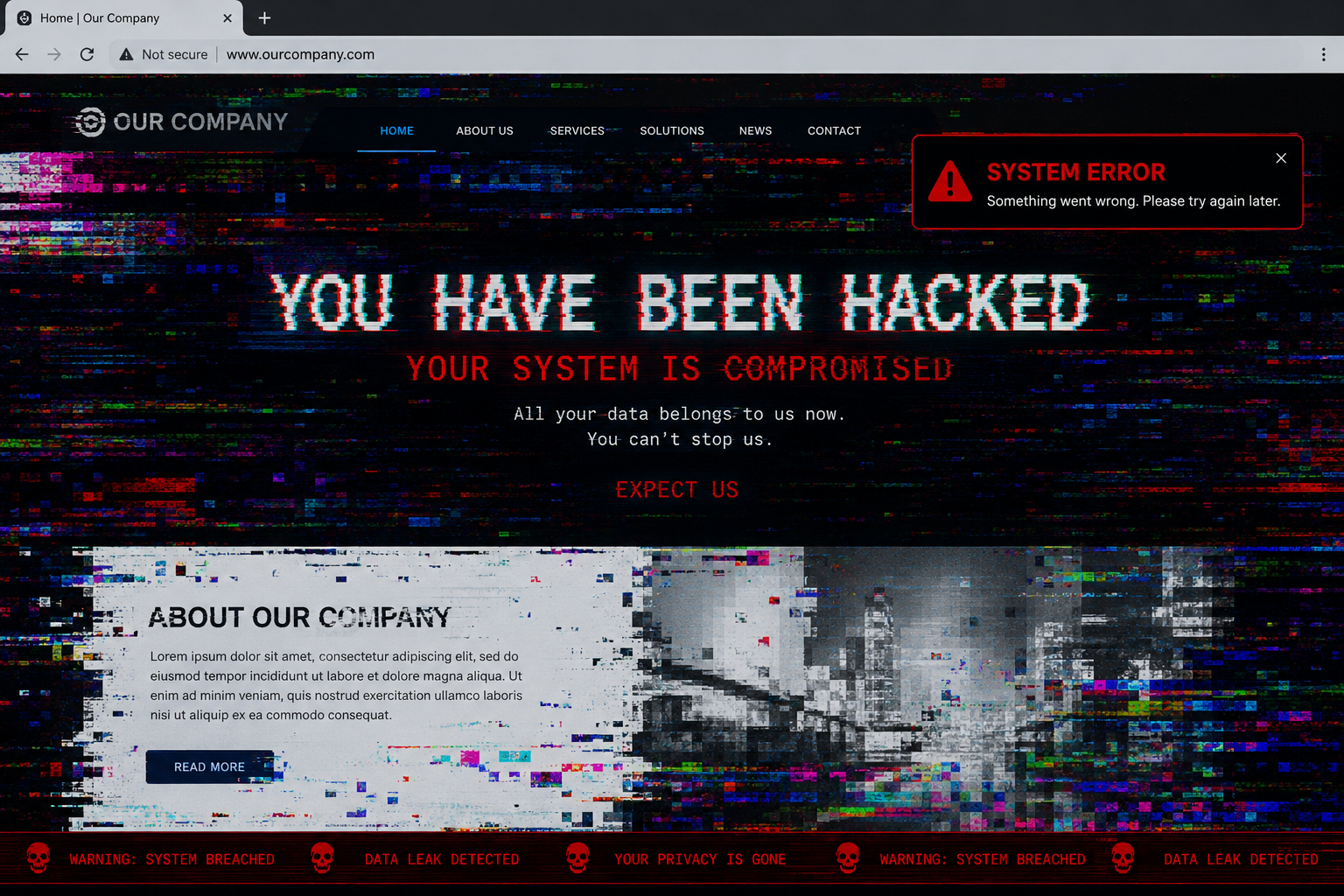
On 12 May 2026, a critical security alert (Threat ID: CC-4781) was issued for a massive supply chain attack dubbed "Mini Shai-Hulud." This wasn't a standard hack; it was a surgical strike against the npm and PyPI ecosystems, the "building blocks" used by almost every modern website and app.
Attackers successfully published hundreds of malicious versions of popular software packages (including TanStack, Mistral AI, and OpenSearch). If your business uses a custom-built client portal or a modern web app, there is a high probability your developers are using these exact tools.
How the Attack Works: The "Silent Siphon"
The malicious code was designed to be invisible. Once a developer updates their project, the "Mini Shai-Hulud" payload executes, silently harvesting:
GitHub and Cloud Tokens: Giving attackers the keys to your entire digital infrastructure.
API Keys: Allowing them to intercept data from your customers.
CI/CD Secrets: Letting them inject further "backdoors" into your own software updates.
The £1M Warning: South Staffordshire Water
This supply chain alert came just 24 hours after the Information Commissioner's Office (ICO) fined South Staffordshire Water £963,900 for a historical breach.
Why is this relevant? Because the ICO’s investigation highlighted a failing that is common in 90% of UK SMEs. Inadequate monitoring and logging. The attackers were in the system for 20 months because the firm was only monitoring 5% of its environment.
With the "Mini Shai-Hulud" attack, the "time to exploit" has dropped from months to minutes. If you aren't monitoring your external dependencies, you are effectively flying blind.
How CyberSentrx Protects You in the "Mini Shai-Hulud" Era
Traditional antivirus software cannot see a "Mini Shai-Hulud" attack because the malware is hidden inside "trusted" software updates. You need Continuous Exposure Management.
CyberSentrx provides the specific defensive layer required for 2026:
Identity & Token Monitoring: We look for exposure of your cloud credentials and GitHub tokens. If an attacker siphons them, we detect the exposure before they can be used to escalate privileges.
Regulatory Compliance (CSRB): The incoming UK Cyber Resilience Bill will mandate this level of supply chain oversight. CyberSentrx ensures you aren't just "secure," but legally compliant.
The "Digital Perimeter" is dead. Your security is only as strong as the hidden code your developers downloaded this morning.