When system failures occur without a hacker in sight, the root causes usually stem from systemic operational vulnerabilities
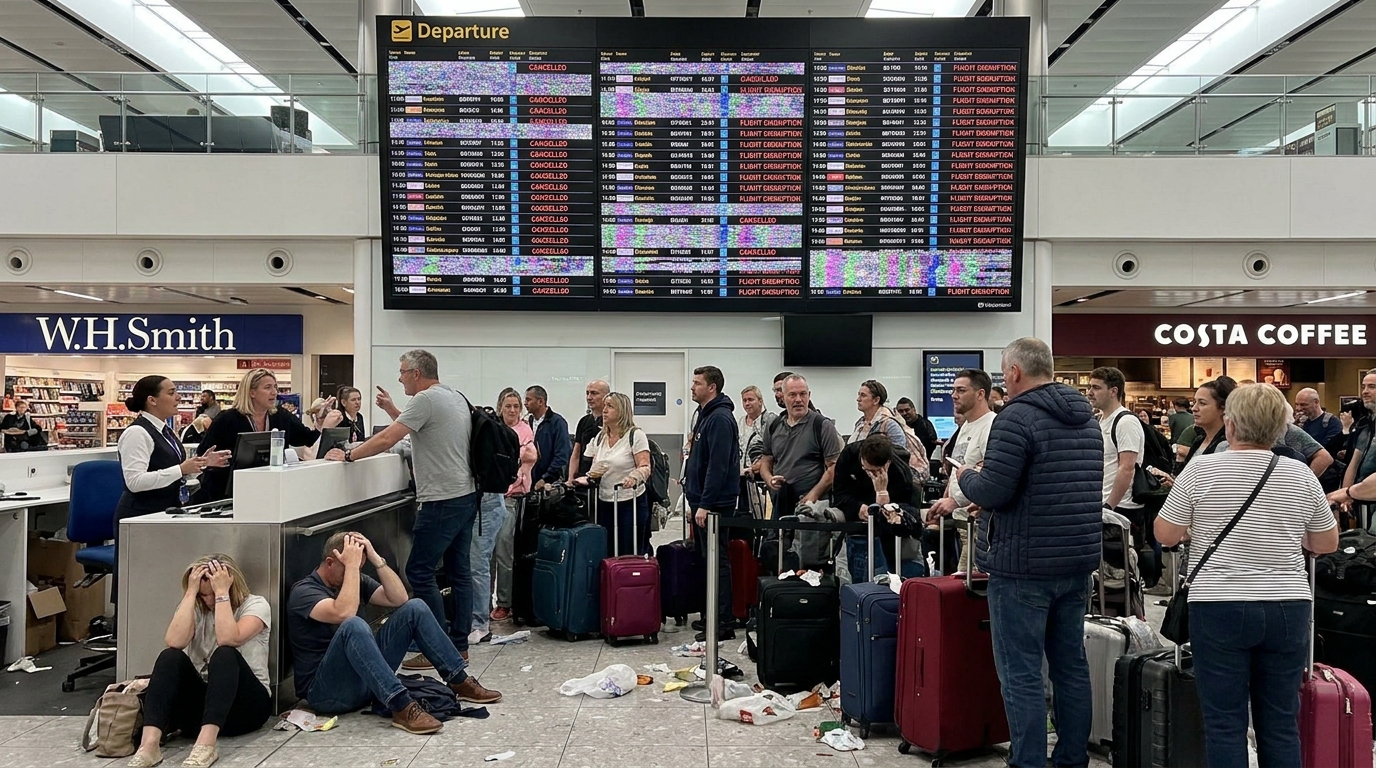
Whenever major critical infrastructure grinds to a halt—whether it's long queues wrapping around terminal buildings, departure boards flashing cancellation notices, or thousands of passengers stranded on tarmac tarmacs, the immediate assumption in modern tech headlines is almost always the same: a cyber attack.
However, as thousands of travelers across major UK airports recently experienced during the latest air traffic control system failure, cyber criminals aren't the only threat to technology.
National Air Traffic Services (NATS) quickly confirmed that the flight processing system failure that grounded thousands of flights across Heathrow, Gatwick, and Manchester was caused by an internal technical glitch. Not malicious actors, ransomware, or state-sponsored hackers.
It’s a stark reminder that while cyber security dominates executive meetings, tech can and will go wrong for mundane, structural, and human reasons.
When Bad Architecture Beats a Good Hacker
When system failures occur without a hacker in sight, the root causes usually stem from systemic operational vulnerabilities:
Legacy System Fragility: Many mission-critical operations rely on decades-old software stacks glued together by modern middle layers. One unexpected data edge-case can cause an entire pipeline to lock up.
Cascading Dependencies: Modern IT environments are deeply interconnected. A single corrupt flight data file or localized database query error can ripple through secondary systems, bringing down entire operational networks.
Human and Process Errors: Mis-configurations during routine maintenance, delayed patch roll-outs, or simple procedural mistakes regularly cause more downtime annually than active threat actors.
While it might feel comforting to learn that "it wasn't a cyber attack", for business leaders, this distinction is practically irrelevant. To a grounded passenger or a customer unable to access your services, the business impact of a mis-configuration is identical to the impact of a ransomware outbreak: downtime, lost revenue, and severe brand damage.
The Danger of False Comfort
Ruling out a cyber attack shouldn't breed complacency. In fact, it highlights a crucial vulnerability in modern IT risk management: threat actors actively look for the exact same weak spots, operational debt, and system misconfigurations that cause internal glitches.
When internal systems lack resilience, monitoring, or clear visibility into perimeter configurations, you aren't just at risk of a technical outage, you are leaving open doors for bad actors to exploit.
True operational resilience isn't just about blocking malicious IP addresses. It’s about total visibility over your external footprint, understanding how your assets interconnect, and catching exposed vulnerabilities before either an internal system error or an external attacker causes a collapse.
Building Total Perimeter Visibility with CyberSentrx
Whether you are trying to prevent external threat actors from hijacking long-lived credentials or ensuring your digital attack surface isn't riddled with mis-configured assets, visibility is your first line of defense.
At CyberSentrx, we build automated dark web scanning, web vulnerability scanning and external risk management tools engineered specifically for growing businesses. We help you monitor exposed corporate credentials, open ports, and perimeter risks before they turn into operational disasters.
 Run a Free Exposure Check with CyberSentrx to discover what external risks and leaked credentials may be lurking in your corporate footprint today.